How hard is your water? It depends which side of town you are on
Los Angeles water hardness runs from about 6 to about 14 grains per gallon on LADWP's 2025 figures, depending on which plant or wells feed your area. Harbor and Eastern neighborhoods can get the hardest water.
From the Plumbing Across L.A. desk. Updated .
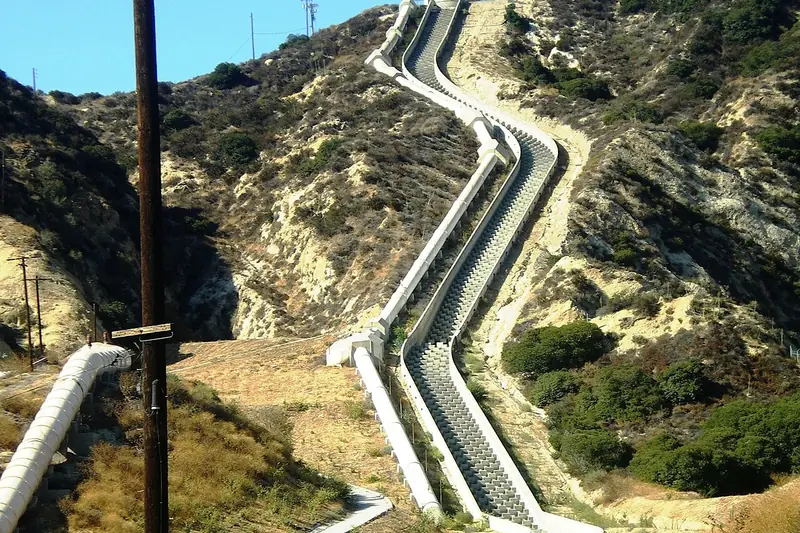
Echo Park and Silver Lake are next door to each other, and LADWP puts them in different service areas. Echo Park is on the Eastern list and Silver Lake on the Central list, and that can mean a different source.
How hard is Los Angeles water by source?
LADWP's 2026 water quality report, covering calendar 2025, gives six averages. The Los Angeles Aqueduct Filtration Plant averaged 6.0 grains per gallon (103 mg/L). Northern Combined Wells averaged 6.7 (115 mg/L), Southern Combined Wells 6.8 (116 mg/L) and Metropolitan Water District's Jensen plant 8.2 (140 mg/L). MWD's Weymouth and Diemer plants averaged 13.7 (234 mg/L) and 13.8 (236 mg/L).
- LA Aqueduct plant6.0 gpg
- Northern Combined Wells6.7 gpg
- Southern Combined Wells6.8 gpg
- MWD Jensen plant8.2 gpg
- MWD Weymouth plant13.7 gpg
- MWD Diemer plant13.8 gpg
Source: LADWP water quality reports
On LADWP's scale, soft means under 4 grains, medium-hard means 4 to 7, and hard means above 7. So the aqueduct plant and both well groups average medium-hard, and the three MWD plants average hard. One grain per gallon is 17.1 mg/L, and mg/L is essentially the same as ppm at these levels.
Averages hide a range. Northern Combined Wells ran from 78 to 151 mg/L in 2025, and Southern Combined Wells from 83 to 159 mg/L.
Which plants serve your Los Angeles neighborhood?
The report tells you which columns to read for your service area, not what's at your tap on a given day. LADWP says most areas can receive any of its supplies during major repairs, maintenance or unusual events, and that sources shift with operations.
| Service area | Some neighborhoods | Sources to read | Averages (gpg) |
|---|---|---|---|
| San Fernando Valley | Van Nuys, Reseda, Sylmar, Studio City, Woodland Hills | LA Aqueduct plant, Northern wells, Jensen | 6.0, 6.7, 8.2 |
| Western | Brentwood, Venice, Westchester, Mar Vista, Pacific Palisades | LA Aqueduct plant | 6.0 |
| Central | Hollywood, Koreatown, Silver Lake, Crenshaw, Watts | LA Aqueduct plant, Southern wells | 6.0, 6.8 |
| Eastern | Boyle Heights, Echo Park, Eagle Rock, Highland Park, El Sereno | Weymouth, Diemer, Jensen | 13.7, 13.8, 8.2 |
| Harbor | San Pedro, Wilmington, Harbor City | Weymouth, Diemer, Jensen | 13.7, 13.8, 8.2 |
LADWP's FAQ still shows older 2022 figures: 8.6 grains for the San Fernando Valley and Western Los Angeles, 9.8 for Silver Lake, Downtown and South Los Angeles, and 16.3 for Eastern Los Angeles and the Harbor. Those differ from the 2025 table, which is one more reason to read the latest report instead of a single remembered number.
Not sure which list you're on? Start with the neighborhood finder.
What about hardness in cities with their own water?
They publish their own reports, and the numbers don't carry over. Pasadena reports 208 to 270 ppm for 2024, or 12 to 16 grains, with an average near 14 grains. Burbank averaged 286 ppm for 2025, or 16.7 grains, with a range of 148 to 300.
Long Beach's 2025 report splits the city into zones: 12.8 grains on average in the MWD zone and 4.4 grains in the Blended zone. This paper hasn't confirmed a figure for Glendale, Inglewood or Santa Monica, so read your own utility's report.
Do you need a water softener in Los Angeles?
LADWP's answer is no, not for safety: its FAQ says even the hardest water it supplies is safe and usable without softening. That leaves softening as a household choice, mostly about scale, soap and spots.
LADWP lists both sides.
- What softening helps with: softer-feeling hair and skin, less dish and laundry detergent, less mineral buildup in plumbing, water heaters and pots, and fewer spots on air-dried dishes and cars.
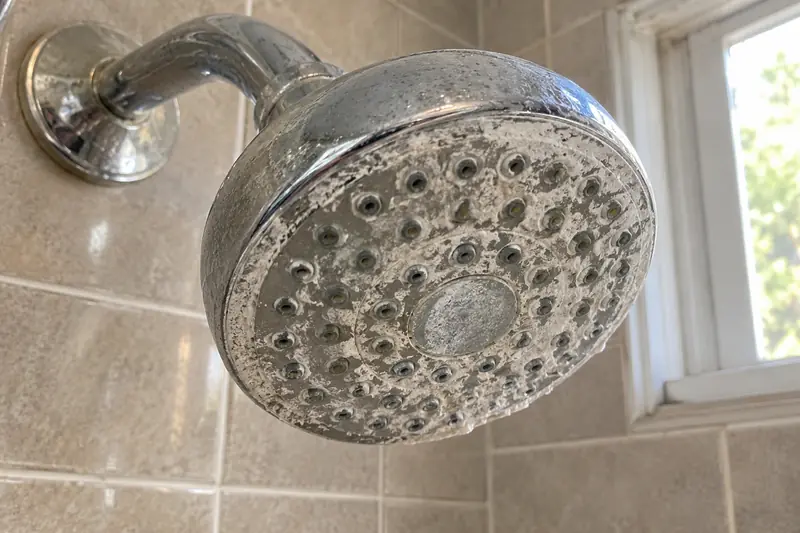
- What it can cost you: more sodium in the water with some ion exchange systems. Softened water is more corrosive to plumbing, and LADWP says that may increase lead and copper. In older plumbing not softened before, minerals may break loose and clog screens, showerheads and aerators.
LADWP also suggests asking your physician before softened water becomes your main drinking water, and notes that some people soften only the hot water. Its FAQ cites National Academy of Sciences work linking hard-water areas with lower rates of cardiovascular illness; that is the utility's reading, which this paper passes along without judging. Pasadena's report says hard water has no known negative health effect, though it does cause scale and can shorten a water heater's life.
If your house has older pipe, read the lead story before softening. That corrosion warning is about exactly the kind of plumbing many older L.A. houses may still have.
How do you find your own number?
Read your utility's latest report, then test at the tap if the answer affects a purchase. A home test tells you about one day, so repeat it if your area's source changes.
On your street
- Hills & Eastside Eagle Rock, Highland Park and Echo Park read the MWD columns; Silver Lake and Los Feliz read the Central columns.
- The Valley LADWP's Valley sources averaged 6.0, 6.7 and 8.2 grains in 2025.
- Pasadena, Glendale, Burbank Pasadena averages near 14 grains and Burbank 16.7; Glendale isn't confirmed here, so read its report.
- Westside & Beach LADWP's Western area reads the aqueduct plant at 6.0 grains; Santa Monica publishes its own report and Culver City's source may fluctuate.
- South L.A. & Inglewood LADWP's Central list includes Watts, Crenshaw and Hyde Park at 6.0 and 6.8 grains; Inglewood isn't confirmed here.
- Long Beach & Harbor San Pedro and Wilmington read Weymouth, Diemer and Jensen; Long Beach's zones averaged 12.8 and 4.4 grains.
What this means by age of house
- Before 1930Pipe still in place may hold years of mineral scale. LADWP warns that softening a system not softened before can loosen it, so get a licensed plumber's view first.
- 1930s–1940sGalvanized pipe is common at this age. Softened water's corrosion warning applies with extra force, and the scale may already narrow the pipe.
- 1950s–1960sGalvanized is still possible here. Water heaters collect scale too, and Pasadena's report says that buildup can shorten their life.
- 1970s and newerCopper with lead solder is possible before the 1986 ban. LADWP says lead shouldn't be significant in homes built after 1990.
Who handles this
- LADWPHardness figures and service-area questions
- Pasadena Water and PowerPasadena's annual water report
- Burbank Water and PowerBurbank's annual water report
- Long Beach UtilitiesLong Beach's annual water report by zone
Questions that come up
What is the difference between grains per gallon and ppm?
One grain per gallon is 17.1 mg/L as calcium carbonate, and LADWP treats mg/L and ppm as essentially the same at these levels. So 234 mg/L is 13.7 grains.
Why would hardness change at the same address?
LADWP says most areas can receive any of its supplies during repairs, maintenance or unusual events, and sources shift with operations.
Is softening a way to deal with lead?
LADWP's lead advice is cold water, flushing the tap and a certified filter, and it warns that softened water may increase lead and copper. See the lead story.
What are those beads in my water?
If they are uniform in size, shape and color and you have a softener, LADWP says the tank's screen may have broken, and you should call a service agent.
What this was checked against
- Hardness by source, service areas, hardness scale, softening pros and cons; report and FAQ linked above: LADWP
- Pasadena hardness, 2024, report linked in the text: City of Pasadena
- Burbank hardness, 2025, report linked in the text: Burbank Water and Power
- Long Beach hardness by zone, report linked in the text: Long Beach Utilities
Sources read in November 2026. Rules and prices change: check the agency before you act.